


Empowering
Technology’s Role in Commodity Risk Management | AI & ERP Solutions
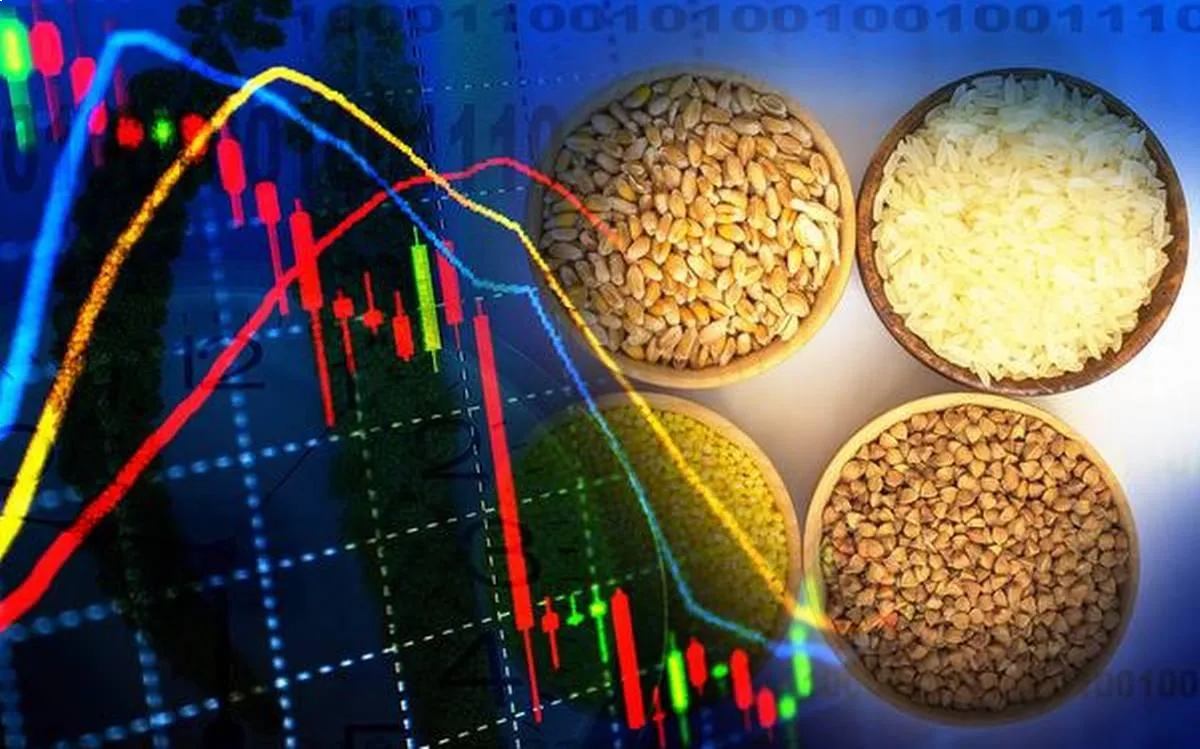
Commodity producers, traders, and consumers operate in one of the most volatile environments in global business. Price exposure, operational inefficiencies, logistics disruptions, and complex compliance frameworks create constant risk. Add to that market shocks from currency fluctuations, geopolitical tensions, and climate impact — and the margin for error shrinks dramatically.
While risk in commodity trading can’t be eliminated, it can be measured, mitigated, and monetized with the right technology. Modern solutions like BaffleSol’s Commodity Management Solution (CMS) — powered by Microsoft Dynamics 365 — enable trading organizations to unify operations, monitor exposures, and act on real-time data across their global value chain.
Why Commodity Risk Management Needs a Technology Reset
Many commodity trading firms today still rely on multiple legacy systems — each handling isolated tasks like procurement, logistics, or contracts. Over time, these fragmented layers create operational blind spots and delayed visibility into exposures.
A centralized, data-driven risk platform like BaffleSol CMS replaces this complexity with a unified view across procurement, sales, logistics, and finance. It not only helps traders monitor P&L and positions in real time but also enables proactive decision-making with built-in analytics and AI-driven alerts.
Key Risk Areas and How Technology Helps Mitigate Them
1. Operational Risks
Operational risk includes shipment delays, quality issues, or manual coordination errors that impact delivery schedules and customer trust.
How CMS Helps:
- Real-time tracking of shipment status, container movements, and weight-based adjustments.
- Integration with warehouse and logistics systems for accurate visibility of stock and transit positions.
- Digital documentation and version control for sampling, quality reports, and freight costs.
- AI-driven alerts for deviations in shipment timelines or contract SLAs.
Example: A sugar exporter using CMS reduced shipment delays by 18% by digitizing loading, dispatch, and documentation approvals.
2. Market & Currency Risk
Commodities are globally traded and priced in multiple currencies, making them highly vulnerable to FX volatility.
How CMS Helps:
- Multi-currency trade books with real-time exposure tracking.
- Automated FX revaluation and hedging functionalities integrated with Dynamics Finance.
- Forward, swap, and option contract management for active risk mitigation.
- Predictive analytics to simulate currency impact on P&L under different scenarios.
Example: A coffee trading firm in Karnataka uses CMS to auto-calculate FX exposure and generate hedge recommendations through the Advanced FX module.
3. Contract & Counterparty Risk
Manually managing contracts across physical, future, and forex trades introduces data silos, compliance gaps, and pricing errors.
How CMS Helps:
- Centralized contract management covering purchase, sale, commission, and back-to-back deals.
- Dynamic pricing options for spot, future, or formula-based trades.
- Real-time collaboration between traders, risk teams, and marketing departments.
- Digital audit trails to strengthen governance and reduce legal exposure.
Example: A metals trader reduced contract creation time by 40% using CMS’ unified contract templates and workflow approvals.
4. Regulatory & Compliance Risks
Evolving global regulations such as MiFID II, EMIR, IFRS 9, and ASC 820 demand strict data governance and accurate reporting. Manual reporting increases the chance of non-compliance and audit penalties.
How CMS Helps:
- Automated generation of trade, position, and exposure reports.
- Integration with global compliance systems and regulators’ reporting formats.
- Built-in audit trail for every transaction to ensure full traceability.
- AI anomaly detection for potential policy breaches.
Example: A Dubai-based agri-trading company using CMS reduced its quarterly reporting time by 65% through automated EMIR-compliant exports.
5. Supply Chain Traceability & Sustainability Risks
With global focus on ethical sourcing, ESG compliance, and traceable supply chains, technology now plays a vital role in proving product authenticity and sustainability.
How CMS Helps:
- Blockchain-ready data trails for end-to-end traceability from farm to port.
- Validation of sourcing claims and certifications for ethical and sustainable trade.
- IoT integration for monitoring shipment conditions (temperature, humidity).
- ESG dashboards to track carbon footprint and supplier compliance.
Example: A spice exporter used CMS traceability features to meet EU origin certification requirements — achieving premium pricing and regulatory clearance.
Centralization: The Core of Risk Control
By centralizing trade, treasury, and logistics data, companies gain the ability to:
- Monitor open positions and mark-to-market exposures in real time.
- Automate reconciliation between physical and financial trades.
- Generate predictive insights on inventory, pricing, and risk concentration.
- Provide leadership with a single version of truth for decision-making.
This convergence of ERP + CTRM through BaffleSol CMS helps trading organizations strengthen resilience, improve capital efficiency, and reduce operational friction.
The Digital Future of Commodity Risk Management
The digitalization of commodities is not just about control — it’s about competitiveness.
With AI, IoT, and advanced analytics, risk management is becoming predictive rather than reactive.
- AI Forecasting: Machine learning models analyze price patterns and simulate stress-test scenarios.
- Automated Reconciliation: CMS integrates subledger, general ledger, and inventory for financial alignment.
- Multi-Entity Reporting: Manage complex group structures with consolidated visibility.
- Smart Dashboards: Track exposure by geography, counterparty, or commodity in real time.
These innovations empower CXOs with actionable insights to hedge smarter, negotiate better, and operate leaner.
Why Choose BaffleSol CMS?
FAQs: Risk Management in Commodity Trading
1. What are the major risks in commodity trading?
Commodity traders face multiple categories of risk — including market risk (price volatility), credit risk (counterparty default), operational risk (shipment or quality issues), liquidity risk, and regulatory risk (non-compliance with frameworks like IFRS 9, EMIR, or MiFID II). Effective risk management requires real-time data visibility across contracts, logistics, and finance.
2. How can technology help reduce risk in commodity trading?
Modern ERP-integrated Commodity Management Solutions (CMS) use AI, analytics, and automation to identify exposure, simulate “what-if” scenarios, and trigger alerts before losses occur.
For example, BaffleSol’s CMS powered by Microsoft Dynamics 365 provides predictive dashboards, automated reconciliations, and end-to-end trade visibility to help companies act before risks escalate.
3. What role does AI play in commodity risk management?
AI analyses historical and real-time market data to predict price movements, FX volatility, and demand fluctuations. It can also detect anomalies in contracts or shipments that signal compliance issues. Machine learning in systems like BaffleSol CMS helps traders shift from reactive monitoring to predictive risk control.
4. How does ERP integration improve risk control?
When risk management is embedded within ERP (like Dynamics 365), every trade, financial posting, and shipment is automatically linked to your exposure metrics. This single source of truth eliminates manual reconciliations, accelerates hedging decisions, and ensures that operational data directly drives financial and risk reporting accuracy.
5. Can ERP systems manage currency and hedging risks?
Yes — advanced ERP + CMS platforms can automatically track multi-currency exposure, calculate mark-to-market valuations, and manage forward, swap, and option contracts. BaffleSol CMS even provides automated FX revaluation, hedge documentation, and scenario modelling through its Advanced FX module.
6. What’s the link between risk management and compliance?
Regulations like MiFID II, EMIR, and IFRS 9 demand transparent reporting of exposure, positions, and P&L. A digital system ensures audit trails, auto-generated reports, and traceability — minimizing penalties and simplifying audits.
BaffleSol CMS integrates these reporting standards natively within Dynamics Finance, reducing quarterly reporting time by up to 60%.
7. How does technology support supply chain traceability and ESG risk?
With sustainability and ethical sourcing becoming critical, traceability systems built into modern CMS platforms enable traders to validate the origin, quality, and carbon footprint of every lot. Integration with IoT and blockchain enhances visibility from farm to port — ensuring compliance with EU and global ESG standards.
8. What KPIs indicate strong risk management in commodity trading?
Some key performance indicators include:
- Real-time P&L exposure visibility
- On-time shipment performance (OTIF%)
- Hedging efficiency ratio (hedge effectiveness vs. exposure)
- FX impact variance on margins
- Compliance audit success rate
Systems like BaffleSol CMS enable automatic tracking of these KPIs through Power BI dashboards.
9. How does centralized data reduce operational risk?
When all trade, logistics, and financial data live in one ecosystem (ERP + CMS), teams can identify discrepancies immediately. This centralization prevents data duplication, reduces manual entry errors, and allows leadership to make faster, evidence-based decisions during volatility.
10. Why choose BaffleSol CMS for risk management?
Because it unifies ERP + CTRM on one Microsoft platform — integrating AI, analytics, and compliance automation. BaffleSol CMS gives traders real-time exposure control, predictive risk intelligence, and the scalability needed for multi-country operations — all while reducing integration costs and complexity.
Final Word
In an industry where every second counts and every fluctuation matters, technology is not optional — it’s essential for survival.
With BaffleSol’s Commodity Management Solution, powered by Microsoft Dynamics 365, traders can turn volatility into strategy — centralizing control, improving compliance, and gaining real-time visibility over every transaction.
It’s time to transform your trading operations from reactive risk management to predictive, technology-led resilience.
📩 Talk to our experts: sales@bafflesol.com
🌐 Learn more: https://www.bafflesol.com/commodity-management-solution


.webp)


.svg)